Why Sustainable Eating Matters More Than Ever in 2026
The way we eat is changing. By 2026, the conversation around food has shifted from niche environmental circles to everyday kitchen tables. Climate data, supply chain disruptions, and rising grocery costs have pushed sustainable eating into the mainstream.
But here’s the good news: eating sustainably doesn’t require a complete lifestyle overhaul. Small, consistent choices add up — for your health, your wallet, and the planet.
What Does Sustainable Eating Actually Mean
Sustainable eating is about choosing foods that are produced, packaged, and transported in ways that minimize environmental impact. It also means reducing food waste and supporting systems that can feed future generations without depleting natural resources.
The goal isn’t perfection. It’s progress.
Simple Ways to Make Better Food Choices
1. Eat More Plants, Not Only Plants
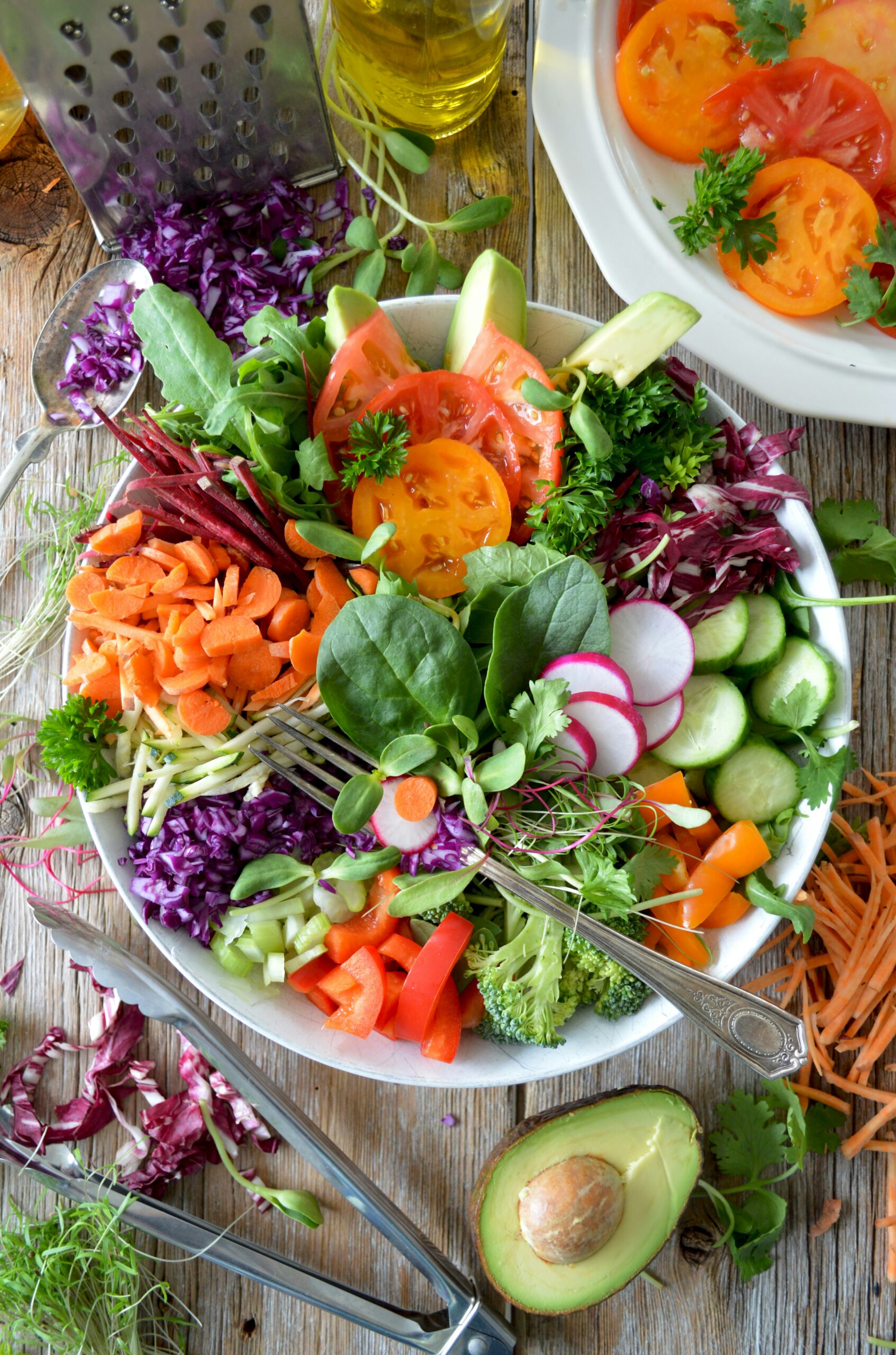
You don’t need to go fully vegan or vegetarian to eat sustainably. Simply shifting the ratio on your plate makes a measurable difference.
Try this approach: make vegetables, legumes, and whole grains the star of most meals. Treat meat and dairy as supporting ingredients rather than the main event. Even one or two plant-forward days per week reduces your food-related carbon footprint significantly.
2. Cut Down on Food Waste
Roughly one-third of all food produced globally is wasted. In 2026, that’s no longer acceptable — and it’s costing you money.
Practical steps that work:
- Plan meals before shopping
- Store produce properly to extend freshness
- Use leftovers creatively
- Freeze food before it spoils
- Compost scraps when possible
Food waste reduction is the single most impactful thing most households can do for sustainability.
3. Buy Local and Seasonal When You Can
Locally grown food travels fewer miles, supports regional farmers, and often tastes better. Seasonal produce also requires less energy-intensive growing methods like heated greenhouses.
Visit farmers markets, join a CSA (community-supported agriculture), or simply check labels at the grocery store. In 2026, many supermarkets now highlight local and seasonal items with clear signage.
4. Choose Lower-Impact Proteins
Not all protein sources are equal when it comes to environmental impact. Beef and lamb have the highest carbon footprints, while poultry, eggs, and pork fall in the middle. Plant proteins — beans, lentils, chickpeas, tofu — sit at the bottom.
You might try:
- Swapping ground beef for lentils in pasta sauces and tacos
- Using half meat and half mushrooms in burgers
- Exploring new plant-based products that have improved dramatically in taste and texture
5. Rethink Packaging
Sustainable eating isn’t just about the food itself — it’s also about how it’s wrapped. Single-use plastics remain a major problem.
Look for:
- Bulk bins for grains, nuts, and spices
- Products in glass, aluminum, or compostable packaging
- Reusable produce bags instead of plastic ones
Small changes at the point of purchase send a clear message to manufacturers.
The 2026 Advantage: Technology and Transparency
This year, eating sustainably is easier thanks to better tools. Apps now scan barcodes and instantly show a product’s environmental score. Smart refrigerators track expiration dates and suggest recipes to use up aging ingredients. Grocery delivery services let you filter by “low carbon footprint” or “plastic-free packaging.”
Transparency has also improved. More brands now publish detailed sustainability reports, and third-party certifications help you verify claims instead of falling for greenwashing.
Start Where You Are
The best sustainable eating plan is the one you can maintain. Pick one or two changes from this list and build from there. Maybe that means committing to Meatless Mondays. Maybe it means finally starting that compost bin. Or perhaps it’s as simple as bringing reusable bags and buying from the bulk section.
Every meal is a vote for the kind of food system you want. In 2026, those votes matter more than ever.
The Bottom Line
Sustainable eating in 2026 isn’t about guilt or deprivation. It’s about making informed, intentional choices that benefit your health, your community, and the planet. Start small, stay consistent, and let your habits evolve naturally over time.
The future of food is on your plate — and it looks delicious.